







Pipe alloys have become increasingly popular for their exceptional durability, corrosion resistance, and high-temperature strength. However, when choosing the right pipe for your industrial or commercial project, it is essential to understand the properties, maintenance requirements, and applications of different alloy pipes to ensure optimal performance and longevity.
Have you been searching for pipe alloys recently? You are not alone. This comprehensive guide offers insight into alloy pipes, whether you are a beginner or a pro working with them.
What Defines an Alloy Pipe?
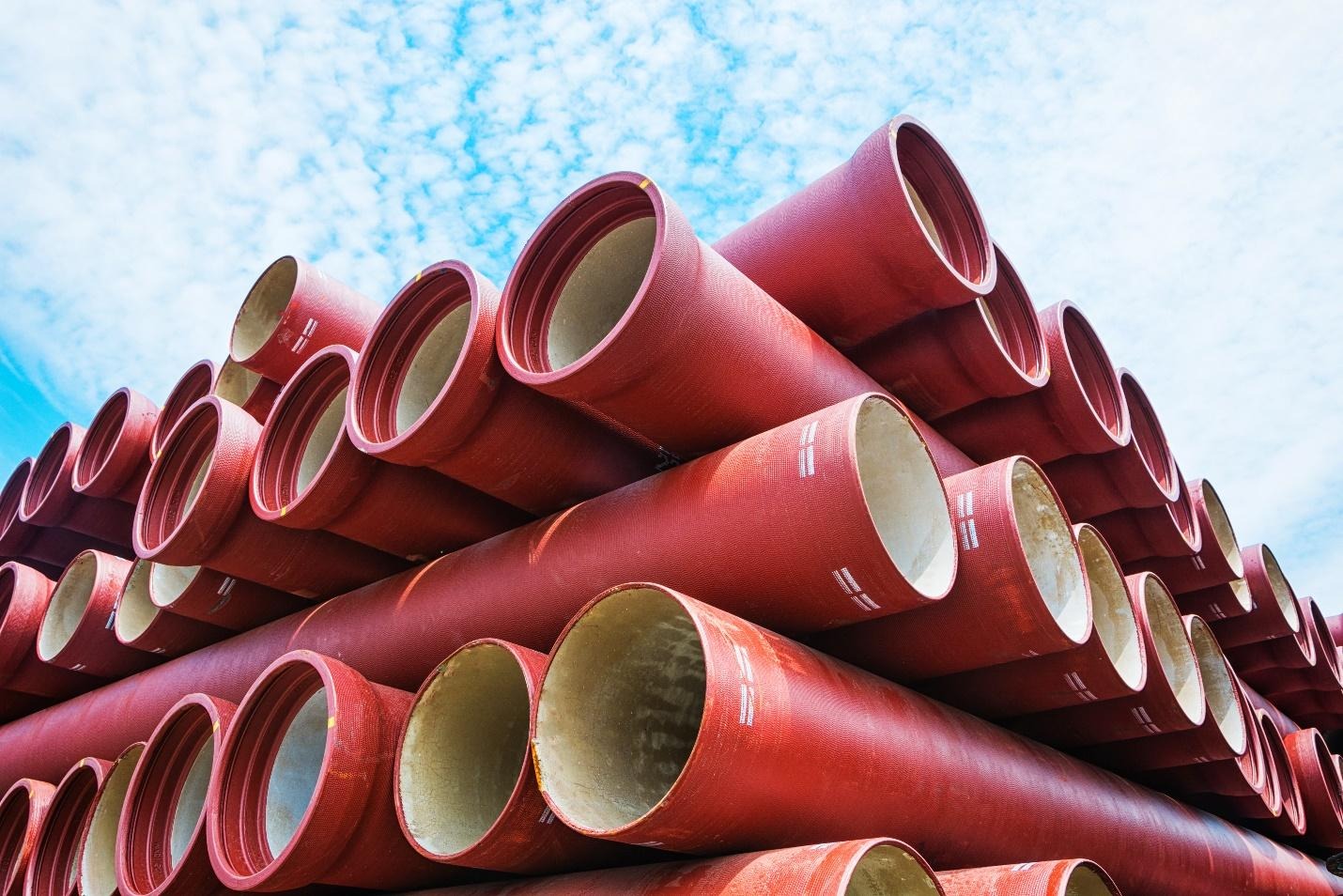
Alloy pipes are simply steel pipes made by combining two or more metals, which are melted together to create an alloy. These alloyed materials have better properties than traditional carbon steel, with improved strength and increased corrosion resistance.
Pipe alloys are widely used in industries such as petrochemical processing, oil and gas, and API lines. However, numerous types of alloy pipes are available on the market, with varying mechanical and physical properties, including excellent machinability, high-temperature resistance, and superior durability and toughness.
Characteristics of Alloy Pipes
Alloy pipes are formed by combining two or more elements to create a unique metal with enhanced properties, including high-temperature resistance, corrosion resistance, and increased strength. The main characteristics of alloy pipes are excellent corrosion resistance, suitability for high-temperature applications, and negligible susceptibility to stress corrosion cracking.
The alloy pipes made with copper, nickel, and chrome are well known for their superior high-temperature strength, whereas stainless steel alloys offer excellent corrosion resistance.
Maintenance of Alloy Pipes
Regular maintenance can extend the lifespan of alloy pipes. The maintenance procedure begins with cleaning, applying a protective coating, and conducting regular inspections. Effective cleaning ensures that no materials, such as dirt, debris, or corrosive substances, accumulate on pipe surfaces, which could cause damage.
Furthermore, the protective coating protects pipes from corrosive materials and high-temperature environments. The regular inspection process involves checking the pipes for any dents, cracks, or leaks that might affect their performance.
Benefits of Alloy Pipes
Pipe alloys are made from a mixture of metals that gives them superior strength and durability compared to other pipe types. They are corrosion-resistant and can withstand higher temperatures, making them ideal for use in numerous industries. Furthermore, these pipes are available in various shapes and sizes, offering flexibility for industrial applications.
Alloy pipes are easy to install and require minimal maintenance, making them cost-effective options for numerous businesses. They have a long lifespan and can be recycled or reused, making them environmentally friendly options.
Uses of Alloy Pipes
Alloy pipes are used across numerous industries due to their superior strength and corrosion resistance. They are commonly used in the automotive industry because they can withstand high temperatures and pressures. In addition, they are frequently used in the oil and gas industry to transport crude oil and natural gas.
The alloy pipes are also used in the industry to transport water and other fluids. They are often used in the food and beverage industry because they have strong resistance to corrosion by acidic substances.