







Road safety is important for everyone, whether you are driving, cycling, or walking. Every day, people share the roads, and without proper guidance, accidents can easily happen. This is where traffic signs play a vital role. They are not just pieces of metal or boards along the road—they are essential tools that guide drivers, pedestrians, and cyclists to move safely and responsibly. Understanding traffic signs and following their instructions can save lives and prevent accidents.
Understanding Traffic Signs
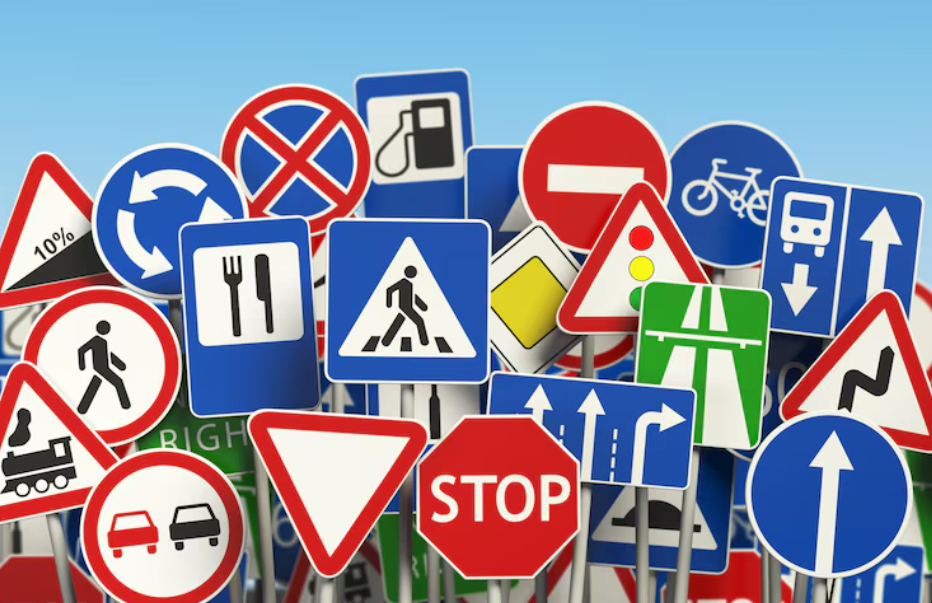
Traffic signs are designed to give information and instructions to road users. They tell you about speed limits, warnings, directions, and rules that must be followed. Each sign has a specific shape, color, and symbol to make it easy to understand at a glance. For example, red usually means stop or danger, while blue provides helpful information like the location of hospitals or gas stations. Recognizing these signs quickly helps drivers make the right decisions, especially in busy traffic or unfamiliar areas.
Warning Signs Keep You Alert
One of the most important functions of traffic signs is to warn drivers about potential dangers ahead. Warning signs alert you to curves, intersections, pedestrian crossings, school zones, or areas where animals may cross. By giving drivers this information early, traffic signs reduce the risk of accidents. For example, a sign warning of a sharp turn ahead allows drivers to slow down in time, preventing dangerous situations.
Regulating Traffic Flow
Traffic signs are also important for controlling the movement of vehicles and pedestrians. Stop signs, yield signs, and traffic lights ensure that drivers take turns safely at intersections. Speed limit signs remind drivers to maintain a safe speed, which helps prevent collisions. By organizing traffic, these signs make roads safer for everyone. Without such guidance, chaos could easily occur, leading to accidents and injuries.
Providing Direction and Information
Apart from safety, traffic signs help people navigate roads efficiently. Directional signs, such as those indicating highways, exits, or nearby towns, prevent drivers from getting lost. Informational signs also provide details about services, rest areas, or emergency assistance. Clear information reduces stress for drivers, allowing them to focus on safe driving rather than worrying about where to go next. In this way, traffic signs contribute to both safety and convenience.
Helping Pedestrians and Cyclists
Traffic signs are not just for drivers—they protect pedestrians and cyclists too. Crosswalk signs, pedestrian signals, and bike lane indicators guide people safely across roads. School zone signs ensure that drivers slow down when children are present. By giving clear instructions to all road users, traffic signs create an environment where everyone can travel safely together.
Encouraging Responsible Driving
Traffic signs also encourage responsible driving habits. When drivers consistently follow the instructions on signs, they are less likely to engage in reckless behavior. Over time, this helps build a culture of safe driving. Everyone on the road benefits when rules are clear and consistently followed.
Conclusion
Traffic signs play a crucial role in keeping roads safe for everyone. They warn drivers of danger, regulate traffic, provide essential information, and protect pedestrians and cyclists. By understanding and following traffic signs, drivers can reduce accidents and ensure that everyone reaches their destination safely. Remember, traffic signs are there to guide and protect you—paying attention to them is a simple but powerful way to save lives.