







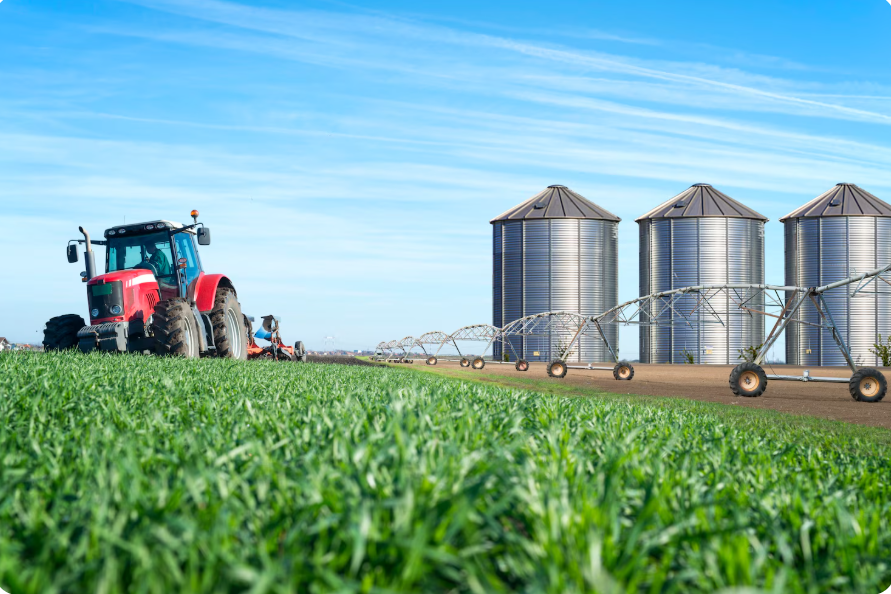
Farming has always involved hard work, but farmers today have more tools to help them understand what is happening in their fields. Technology can help monitor crops, manage water, track conditions, and reduce unnecessary waste.
Technology simply adds more information to the picture. From simple monitoring tools to newer scientific ideas, modern farming is finding practical ways to use technology without losing sight of what plants actually need.
Farming Is Getting Smarter
Farmers once had to rely heavily on what they could see and feel in the field. Experience was a huge part of knowing when crops needed water or when something looked wrong. Today, technology can provide extra information.
Tools can help monitor soil moisture, check crop conditions, and manage water more carefully. Some systems can also help farmers keep track of different parts of a field. This does not replace the farmer’s knowledge. Instead, it gives them another way to make decisions.
Why Small Details Matter
A crop can sometimes have a problem before it becomes obvious to the person standing in the field. Soil conditions can change, plants may show early signs of stress, and nutrients may not be distributed evenly. Modern tools can help detect some of these changes earlier.
Sensors and monitoring systems can collect information that would be difficult to gather by simply walking around and looking at plants. Having better information can make everyday farm management more precise.
Exploring Nanotechnology In Farming
Nanotechnology in farming involves studying and using extremely small materials and tools for agricultural purposes. To put that into perspective, these materials can be far smaller than things we can normally see. Researchers are exploring ways this technology could help with challenges such as delivering nutrients more efficiently or monitoring plant health.
Some research also looks at using tiny materials to improve crop protection. The idea is promising, but it is still an area of research and development. That is why it is better to think of nanotechnology as a developing tool rather than a magic solution that will fix every farming problem.
Benefits For Everyday Farming
Agricultural technology can support several practical goals. Using water more carefully can reduce waste, while better monitoring may help farmers notice crop problems sooner. Technology may also help farmers understand how resources are being used.
This can make it easier to adjust practices instead of simply applying the same amount of water or nutrients everywhere. The actual results depend on many factors. Crop type, soil, weather, farm size, available equipment, and how a technology is used can all make a difference.
What The Future May Bring
Agriculture will likely continue exploring new technologies as researchers, farmers, and businesses test different approaches. Some ideas may become common, while others may remain useful only in specific situations.
Research will remain important because new technology needs to be tested properly before widespread use. Safety, affordability, reliability, and real-world results all matter. The future of farming will be about finding practical tools that work alongside farming knowledge and help people grow crops more efficiently.