









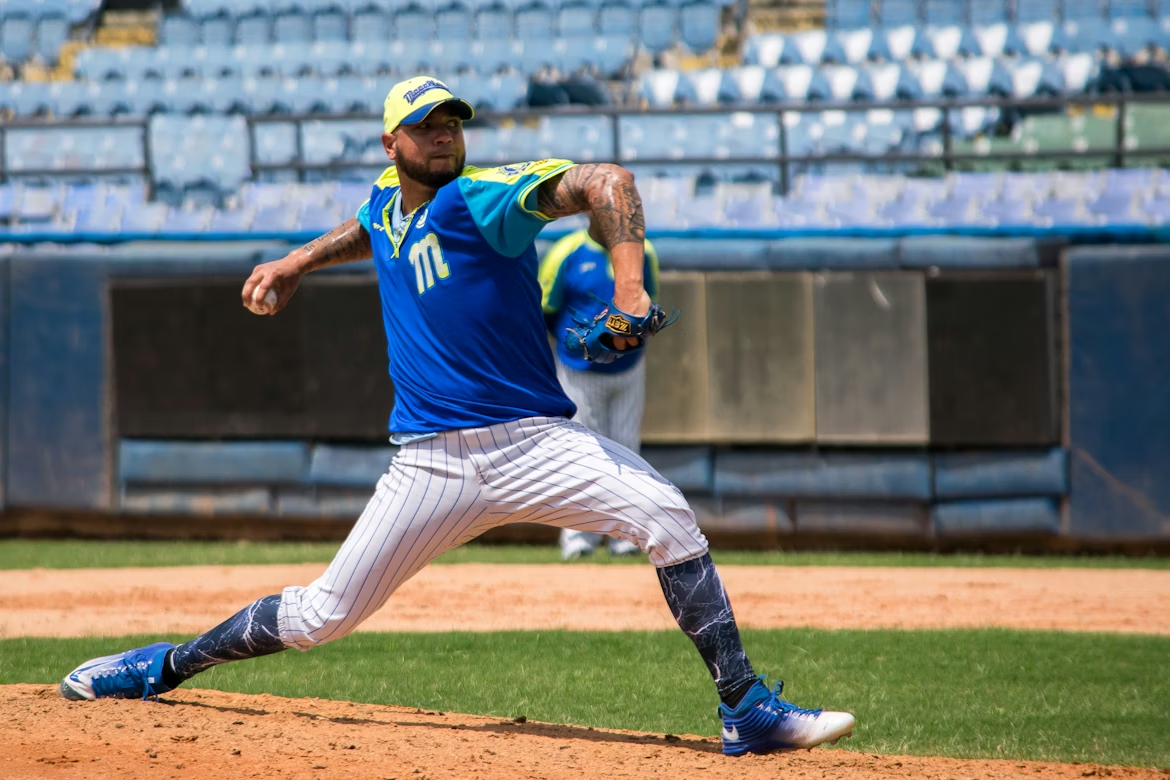
When it comes to softball pitching training, having the right guidance and a structured plan can make all the difference in your performance. At Krigare Athletics, we understand how crucial it is for athletes like you to build strong fundamentals, maintain proper mechanics, and stay consistent.
Our approach focuses on developing your skills step by step, so you can feel confident on the mound while improving accuracy, speed, and control. Whether you’re preparing for a tryout, a tournament, or simply aiming to refine your technique, our training methods are designed to help you reach your personal best.
Understanding the Basics of Pitching
Before diving into advanced drills, it’s important to have a clear understanding of the fundamentals. Pitching is not just about throwing hard; it’s about control, balance, and timing. Focusing on grip, stance, and windup sets the foundation for consistent performance.
- Grip: How you hold the ball affects spin and velocity. Experiment with different grips for different pitches, but always ensure comfort and control.
- Stance: Your body position before the pitch sets the tone for everything that follows. A balanced stance helps generate power without sacrificing accuracy.
- Windup and Release: Smooth, controlled movements reduce stress on your arm and increase consistency. Pay attention to your follow-through to ensure proper mechanics.
By focusing on these basics during your softball pitching training, you create a strong foundation to build more advanced techniques on.
Drills for Improving Control and Accuracy
Control is often more important than speed, especially when facing skilled batters. Simple, consistent drills can make a big difference:
- Target Practice: Set up a strike zone target and practice hitting different corners. This helps train muscle memory and improves accuracy.
- Step-Back Drill: Step back a few feet and pitch to maintain form while adjusting distance. It encourages balance and precision.
- Mirror Drill: Use a mirror to observe your movements during the windup and release. Self-observation helps correct minor errors before they become habits.
These exercises might seem basic, but repetition with proper focus builds confidence and reliability on the mound.
Developing Speed and Power
While control is crucial, increasing pitch speed can give you a competitive edge. Building strength in your core, legs, and shoulder is key:
- Leg Strength: Exercises like squats and lunges enhance your drive off the mound. Strong legs provide a solid base for power.
- Core Workouts: Planks, Russian twists, and medicine ball exercises improve rotational strength, which translates directly to pitching speed.
- Arm Conditioning: Resistance bands and light-weight exercises help maintain arm strength without risking injury.
Incorporating these workouts into your routine complements your softball pitching training and helps you develop consistent speed without compromising form.
Practicing Different Pitch Types
To be an effective pitcher, mastering various pitch types is essential. Each pitch requires a slightly different grip and wrist motion:
- Fastball: Focus on consistent release and straight trajectory.
- Changeup: Develop a slower pitch without telegraphing the movement.
- Curveball/Dropball: Work on spin and wrist angle to create downward movement.
Start with one new pitch at a time and practice until it becomes second nature. This approach prevents confusion and builds confidence in your abilities.
Mental Approach and Game Awareness
Pitching is as much mental as it is physical. Developing focus and resilience helps you perform under pressure:
- Visualization: Picture successful pitches before stepping on the mound. Mental rehearsal prepares your mind for execution.
- Routine: Establish a pre-pitch routine to maintain consistency and calm nerves.
- Adaptability: Learn to read batters’ tendencies and adjust accordingly. Awareness and strategy are key in staying ahead.
Our experience shows that combining mental preparation with physical training creates a pitcher who is calm, confident, and competitive.
Injury Prevention and Recovery
Pitching can be demanding on your arm, shoulder, and legs. Injury prevention should always be part of your training:
- Warm-Up: Always start with dynamic stretches to get blood flowing to key muscle groups.
- Cool-Down: Gentle stretching post-practice helps reduce soreness and maintain flexibility.
- Rest: Scheduling rest days is just as important as active practice days to prevent overuse injuries.
Incorporating these practices ensures you can continue training consistently and avoid setbacks that interrupt progress.
Tracking Progress
Keeping track of your progress helps maintain motivation and identify areas that need improvement:
- Pitch Count: Record the number of pitches and types to monitor stamina and consistency.
- Velocity Tracking: Use tools or apps to measure pitch speed over time.
- Video Analysis: Recording your pitching sessions allows you to review form and make adjustments.
Consistent tracking gives tangible feedback and helps you celebrate small wins along the way, keeping you engaged in your softball pitching training journey.
The Importance of Consistency
No matter which drills, workouts, or mental techniques you use, consistency is what produces results. Training a little every day is more effective than long, sporadic sessions. By integrating skill work, strength training, and mental exercises into your routine, you develop habits that carry over to game situations.
Building a Personalized Training Routine
Every pitcher has unique strengths and areas for improvement. Tailoring your training to your needs makes it more effective:
- Assessment: Identify your current skill level and focus areas.
- Goal Setting: Set realistic, measurable goals for short-term and long-term improvement.
- Routine Design: Structure sessions with a balance of drills, conditioning, and recovery.
- Evaluation: Regularly review progress and adjust your plan as necessary.
A personalized approach ensures that each practice session is purposeful and maximizes growth potential.
Conclusion
Softball pitching training is more than throwing balls; it’s about building skills, strength, strategy, and confidence. Every drill, every workout, and every practice session contributes to making you a more reliable and competitive pitcher. By focusing on fundamentals, maintaining proper form, conditioning your body, developing new pitches, and staying mentally sharp, you create a comprehensive routine that leads to measurable improvement.
At Krigare Athletics, we’ve seen how focused training programs help athletes like you achieve consistent results. Our commitment is to guide you through structured training that addresses all aspects of pitching, making your time on the mound productive and rewarding. By following a dedicated, consistent approach, your abilities can grow, giving you the confidence to face any batter.
Whether your goal is to refine mechanics, increase speed, or improve accuracy, the right training routine can make all the difference. Softball pitching training is not just about practicing; it is about practicing smart, staying disciplined, and trusting the process.
Visit krigareathletics.com to learn more about our programs and how we can help you take your pitching skills to the next level.