







Adding modern AV equipment to an existing worship space requires balancing several key factors: controlling room echoes, checking electrical capacity, finding solid mounting points, protecting visual sightlines, keeping controls simple for volunteers and planning for future growth. Older sanctuaries were built for natural acoustics, not high-powered digital production. Upgrading without destroying the original architecture takes careful planning. Teaming up with local church AVL OKC integrators helps your leadership pick equipment that respects your building’s historic charm while delivering crisp audio, bright video and warm lighting every single Sunday.
Quick Answer
A church upgrading an existing space must look at room echoes, electrical power limits, safe wall mounting options, video sightlines, simple volunteer controls and room for future expansion. Working directly with local integrators guarantees smooth installation without damaging the historic charm of the building.
Key Considerations When Retrofitting an Existing Worship Space
Fixing up a room built forty or fifty years ago is never as simple as buying a couple of speakers off a shelf and screwing a flat screen onto a wall. It just isn’t. Old plaster echoes constantly. High arched ceilings trap sound up near the roof beams. Ancient electrical panels break down fast under modern gear loads. Taking a step back to really study your physical space before spending a single dollar saves your leadership team from massive headaches down the road.
1. Structural Acoustics and Sound Reflection
Hardwood pews look incredible. Exposed brick, stained glass and high vaulted ceilings give a sanctuary a timeless feel. But those exact same hard surfaces bounce sound around like ping pong balls. Drop loud speakers into a room full of hard surfaces and speech gets muddy fast. Congregants end up leaning forward, straining their ears just to catch basic sentences from the sermon. Fixing that means picking directional speakers that aim sound right at human ears. You can also place quiet sound absorbing panels on back walls. That cuts down on harsh echoes without ruining the classic look of the room.
2. Electrical Capacity and Dedicated Circuits
Old church buildings were wired for a totally different era. They were built to handle basic light bulbs, a couple of wall fans and an organ. That is about it. Modern digital sound boards, big power amplifiers, moving light fixtures and bright display screens draw serious power. Plug high end gear into regular wall outlets and you will trip circuit breakers right in the middle of a Sunday prayer. Worse than that, shared power lines leak electrical noise straight into your sound system. That creates an annoying low hum that drives everyone crazy. You need an electrician to run dedicated, clean lines meant only for your production gear.
3. Sightlines, Camera Angles and Display Mounting
Placing screens or cameras into an old sanctuary takes some serious thought. You want every person sitting in every row to see lyrics and sermon slides clearly without bending their necks around giant support pillars. At the exact same time, nobody wants massive black display frames blocking beautiful stained glass windows or hiding historic woodwork behind the pulpit. Mounting heavy gear on old plaster original stone or hollow walls also takes specialized structural brackets so nothing comes loose. Finding that balance between great views for the audience and safe physical installation protects your people and preserves your building.
4. Volunteer Friendly System Operation
The absolute most advanced setup on the planet is completely useless if your Sunday morning crew cannot figure out how to work it. That is just reality. Most churches rely heavily on willing, passionate volunteers who do not have a degree in sound engineering. Overly complicated digital control boards or confusing cable setups lead to accidental mutes, loud feedback squeals or total blackout screens right when service starts. Designing easy custom settings, simple touch screen controllers and one button start routines lets your volunteers run smooth services without sweating through their shirts every single week.
5. Architectural Preservation and Aesthetic Integration
Nobody wants black wires tacked haphazardly across hand carved wood trim. Nobody wants industrial metal brackets bolted right over detailed plasterwork. Tech should serve the service, not distract people from it. The real goal of adding modern equipment is to help people engage, not to draw attention to the boxes hanging from the ceiling. Running wires through hidden pathways, using paintable wire covers and choosing low profile speaker boxes keeps the room looking beautiful. The technology simply fades into the background so the focus stays entirely on the worship.
6. Stage Lighting and Thermal Management
Old stage lights get ridiculously hot. They bake the pastor, roast the worship team and eat up massive amounts of electricity every single hour. Switching over to modern LED lights slashes your power bill and gives your team endless control over colors and room brightness. But LED lights, digital processors and power boxes generate their own internal heat inside tight control booths or closed equipment cabinets. If that heat has nowhere to go, your gear fries. Planning for proper airflow and installing quiet cooling fans keeps everything running smoothly for years to come.
7. Broadcast and Hybrid Streaming Needs
Your worship space does not just serve the people sitting in the wooden pews anymore. Webcasting services out to sick members, distant families and online viewers takes dedicated cameras, simple video switchers and a separate sound feed. The sound mix that feels great in a live room full of people usually sounds thin and weak over a tiny phone speaker. Setting up your gear with separate broadcast outputs allows your media team to send clear audio and sharp video out to the internet without messing up the live experience inside the room.
8. Budgeting for Scalability and Future Tech
Tech moves fast. Buying gear that barely handles your current needs traps you later. If your congregation grows, you will hit a wall. Planning ahead saves money.
Run extra conduit while walls are open. Pick digital sound boards with unused input channels. Choose video switchers that support higher resolutions for down the road. A modular setup lets you add equipment in small phases instead of ripping out your whole system every five years.
Pro Tips for Retrofitting Existing Worship Spaces
Making a technical transformation succeed in an established building comes down to small, smart choices made during the planning phase.
- Measure your room echoes before buying anything: Do not guess how sound moves through your space. Get a proper sound check done to see where echoes bounce before you spend money on brand new speakers.
- Run separate power lines straight from the main panel: Install clean electrical lines reserved only for audio gear. This simple move stops random buzzing, clicks and power spikes from damaging sensitive equipment.
- Pick bright LED screens instead of traditional projectors: Old church sanctuaries usually have big side windows that flood the room with daylight. LED panels cut right through sun glare far better than ceiling projectors ever could.
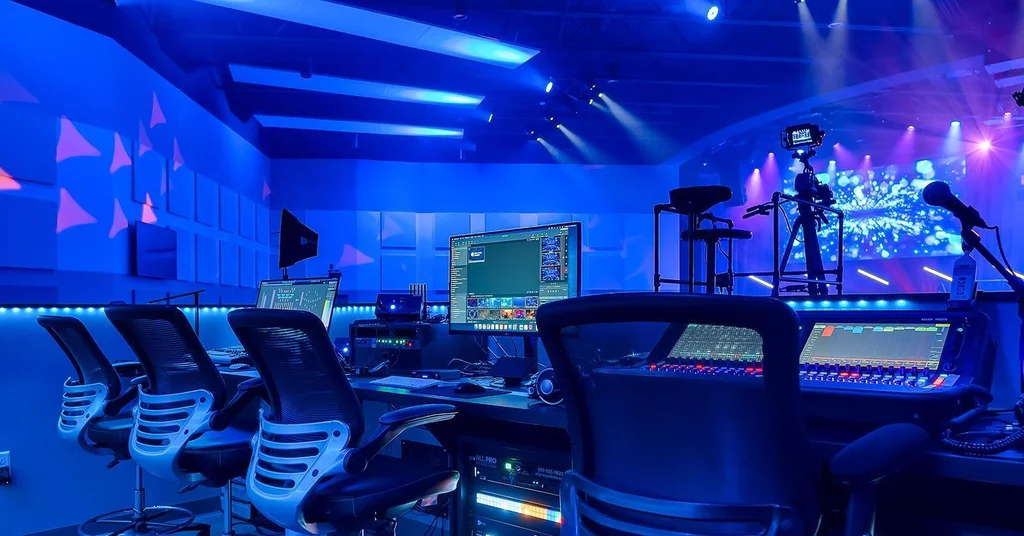
- Keep your control booth organized and label every single cord: Clean up your tech desk. Put colored tape on wire ends and write out simple, step by step instruction cards for your volunteer team to follow on Sunday mornings.
- Team up with local setup specialists: Working alongside local teams ensures you get hands on training, quick help when something breaks and a custom design built for your specific room.
Conclusion
Upgrading an existing worship space with fresh sound, video and lighting gear is an exciting move for any church. It brings new life into weekend services, helps pastors get their message across clearly and connects online viewers straight to your community. But older buildings bring real physical, acoustic and electrical limits that need serious attention before you buy anything.
Taking time to check your building, keeping controls simple for your volunteers and picking gear that can grow with you protects your church’s money. When your leadership team is ready to start looking at ideas, talk to local professionals like church AVL OKC specialists. They can walk your aisle, check out your space, listen to your goals and help you build a setup that respects your building’s history while setting you up for the future.