









The need for effective coordination of the workforce is critical in emergency medical service organizations, which run on a 24/7 basis. Each transfer should be done by competent staff, training should be well planned, and unexpected absences should be handled with promptness.
When agencies expand, it becomes harder and harder to keep everyone up to date on schedules, or to avoid this problem entirely, using spreadsheets, paper calendars, or group messaging. Emergency service technology has advanced so much that it is now making a difference in operational efficiency, communication, and preparedness.
With an understanding of the best practices, companies can create more reliable, responsive operations.
Why Scheduling Is Critical for Emergency Services
Emergency service companies are not like other workplaces where employees can be absent for a week or more without impacting operations. Each change has a tangible effect on response time, employee health and safety, and community safety.
A good scheduling process is beneficial to agencies because they can:
- Ensure staffing is enough
- Reduce overtime costs
- Balance employee workloads
- Improve shift coverage
- Support regulatory compliance
Properly scheduled work also means that employees are more confident in their work assignments, which decreases confusion and last-minute changes.
EMS Scheduling
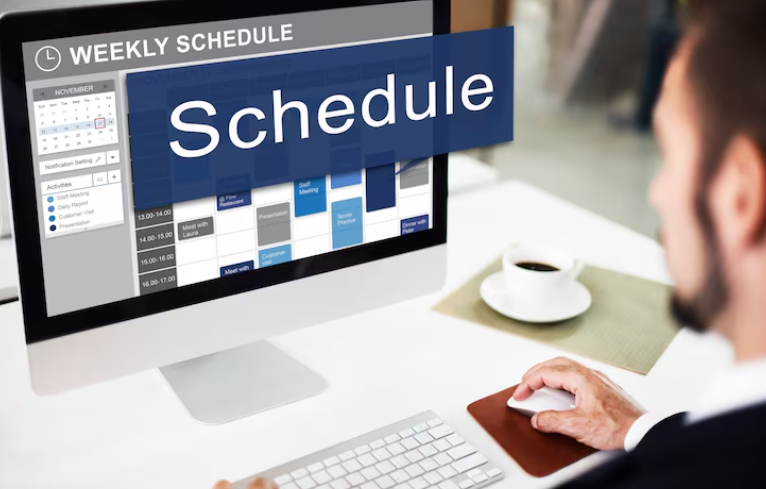
Modern EMS scheduling is more than just giving names to shifts. Today’s digital scheduling platforms offer an all-in-one solution that streamlines workforce management and helps increase visibility throughout the organization.
Common features include:
- Automated shift creation
- Employee availability tracking
- Add/Remove staff from a shift
- Vacation and leave management
- Real-time schedule updates
There is also a reduced communication gap, and overall operational efficiency is enhanced due to centralized scheduling.
Improve Communication Across the Team
Communication is key to emergency response. Today, many scheduling systems include notifications that tell employees about:
- Schedule changes
- Open shifts
- Mandatory training
- Department meetings
- Emergency staffing requests
Agencies don’t have to depend on phone calls or email chains to send out updates; they can send them out instantly from a centralized point.
Use Data to Make Smarter Staffing Decisions
The ability to schedule software provides valuable operational insights that go beyond the day-to-day of workforce scheduling. Reports can aid agencies in identifying:
- Overtime trends
- Staffing shortages
- Peak demand periods
- Employee availability patterns
- Training participation
The analysis of this information helps leadership make informed decisions with regard to recruitment, budgeting, and workforce planning.
Choose a Flexible System That Can Grow
Scheduling increases with the growth of emergency service organizations. If you are considering scheduling software, you should consider those systems that provide the following:
- Cloud-based accessibility
- Mobile compatibility
- Custom scheduling rules
- Built-in connectivity with other systems
- User-friendly interfaces
- Scalable functionality
Investing in scalable technology today can save on administrative headaches in the future and help improve overall efficiency.
Conclusion
One of the key components in the operations of the emergency service is reliable scheduling. Modern EMS scheduling solutions allow agencies to communicate more effectively, streamline administrative tasks, stay compliant, and be prepared with skilled personnel during emergencies.
Automation, centralized workforce management, certification tracking, and data-driven decision-making can help enhance operational readiness and support emergency organizations and their communities.