








Ten years ago, buying a used Japanese engine meant rolling the dice. Importers pulled containers from auction lots in Nagoya and Yokohama, slapped a generic “low mileage” label on everything, and shipped it stateside with minimal documentation. Buyers had no compression test results, no photos of the engine bay before removal, and no realistic way to verify the odometer reading on the original vehicle. That era is ending.
The JDM engine import market has been contracting on the supply side while expanding on the demand side, and the tension between those two forces is reshaping how the business operates. Japan’s vehicle inspection system, known as shaken, still pushes cars out of circulation earlier than anywhere else in the world. But the fleet of 1990s and early 2000s vehicles that once fed the export pipeline is shrinking every year. The supply of sub-60,000-mile engines from Hondas, Toyotas, and Nissans that defined the market for two decades is now finite in a way it wasn’t before.
What’s actually driving demand upward
Repair costs on modern vehicles tell part of the story. A remanufactured engine from a dealership network can run $4,000 to $8,000 before labor, depending on the platform. Salvage yards in the U.S. carry domestic-market engines with 120,000 or 150,000 miles, and the pricing barely reflects the wear. Against that backdrop, a JDM engine with under 65,000 miles and verifiable documentation looks like an obvious middle path. Suppliers like Texas JDM Motors have built their operations around that value proposition: sourcing directly from Japan, inspecting before listing, and shipping nationwide.
The enthusiast segment has shifted too. Drift culture pushed SR20DET and RB-series engines into the spotlight fifteen years ago, but today’s buyers skew more practical. They want a clean K24 for a daily-driven Accord or a replacement 2AZ-FE for a Camry that’s otherwise in solid shape. The audience went from project car builders to working owners who need reliable transportation and can’t afford two weeks of shop time waiting for a domestic reman.
Supply compression from Japan
Japan exported roughly 1.3 million used vehicles in 2023, according to Japan Used Motor Vehicle Exporters Association (JUMVEA) data. That number sounds large, but the vehicles leaving Japan today are newer, which means fewer of the classic JDM platforms that the U.S. aftermarket depends on. A 1998 Integra Type R engine was once a container filler; now it’s a collector piece.
Geography matters in this equation. Major JDM importers have traditionally clustered on the coasts, near the ports of Long Beach, Newark, and Savannah. Inland buyers paid twice for shipping: once from Japan to the port, then again from the port to their shop. Texas-based operations have an advantage here, sitting in the middle of the country with access to freight corridors that reach most of the lower 48 within three days by ground.
The verification gap is closing
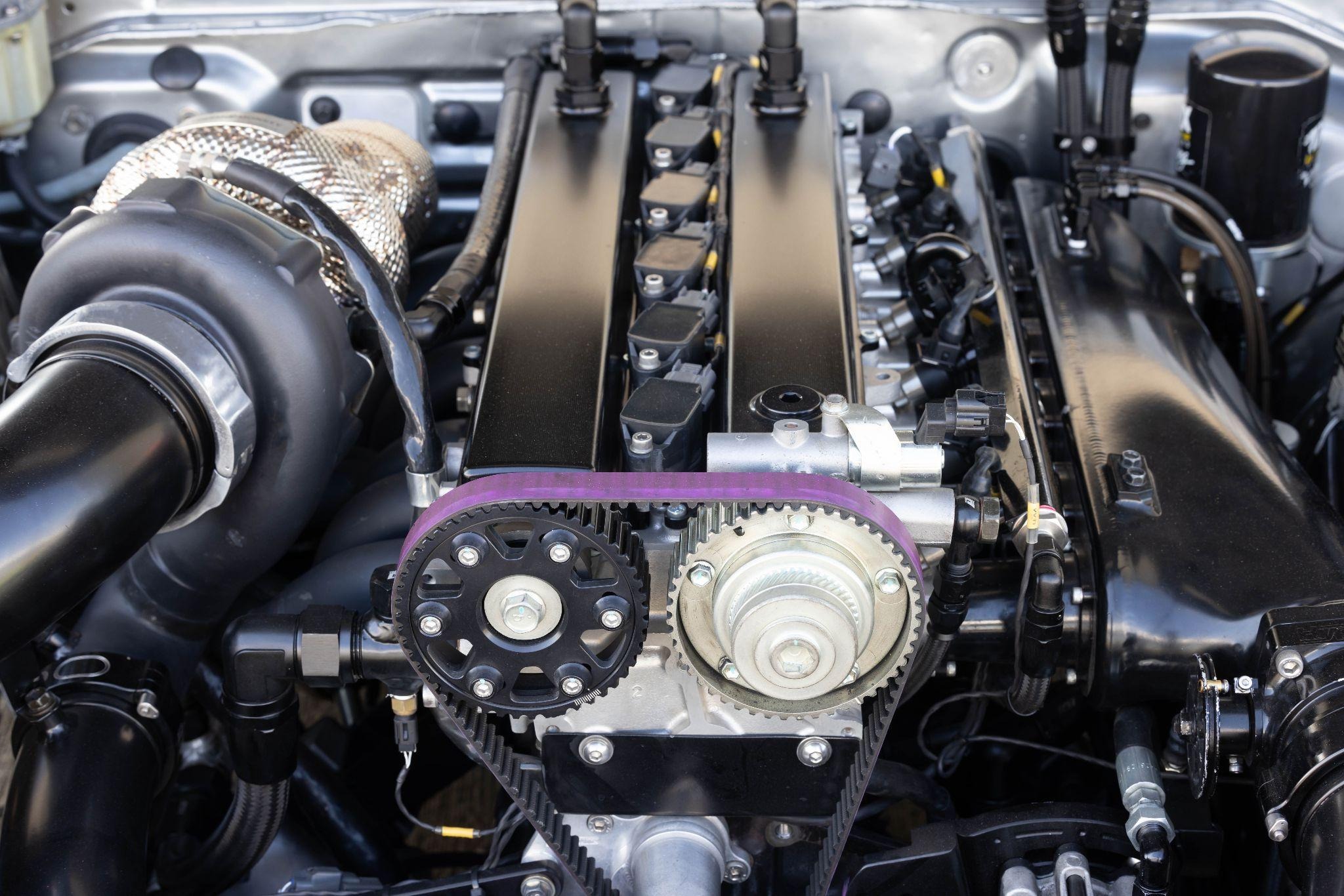
Compression testing used to be something buyers did after the engine arrived. That’s backward. The better importers now test before listing, providing cylinder-by-cylinder numbers that a mechanic can evaluate before purchase. Leak-down testing, visual inspection of valve train components, and documentation of the vehicle the engine came from are becoming standard practice rather than premium add-ons.
Online marketplaces like eBay Motors and Facebook Marketplace flooded the space with cheap listings over the past decade, but the lack of accountability drove buyers toward dedicated suppliers. CarPart.com and Car-Part Interchange still serve the domestic junkyard network, but for JDM-specific needs, buyers increasingly go direct to importers who specialize in a narrower catalog and know the engine codes cold.
Warranty structures have evolved in parallel. Five years ago, a 30-day warranty on a used JDM engine was generous. Today, competitive suppliers offer 60 to 90 days, and some extend coverage to the transmission when sold as a package. The warranty itself isn’t the point. The willingness to stand behind the product signals that the importer has done the inspection work upfront.
What this means for shops and independent mechanics
Independent repair shops are the backbone of the JDM engine installation market. They’re the ones fielding calls from Civic owners and Altima drivers who can’t stomach a dealer quote. For these shops, supplier reliability matters more than price. A $200 savings on an engine that arrives with a cracked block or mismatched wiring harness costs the shop two days of labor and a customer relationship. One bad unit erodes the trust that took months to build with that client.
The smarter shops have moved toward building supplier relationships rather than chasing the cheapest listing for each job. They order from two or three importers consistently, learn the return process, and factor the warranty terms into their customer quotes. That consistency reduces callbacks and builds the kind of referral pipeline that keeps a small shop solvent. It also means the supplier knows the shop by name, which helps when a rare engine code needs to be sourced quickly.
Tooling requirements have shifted as well. Shops installing JDM engines need access to the Japanese service manuals (or at least familiarity with the differences in wiring, sensor placement, and emissions equipment between JDM and USDM variants). AllData and Mitchell still lag on JDM-specific data, which means experienced installers carry institutional knowledge that’s hard to replicate. Forums like NASIOC for Subaru platforms and Honda-Tech for the K-series crowd fill some of those gaps, but nothing replaces hands-on experience with the specific harness adaptations each swap requires.
Where the market goes from here
The trend line points toward consolidation. Smaller importers without established Japan-side buying networks will struggle as supply tightens. Larger operations with warehouse space, in-house testing equipment, and nationwide shipping infrastructure will absorb more of the market. The days of a two-person operation buying containers sight-unseen and reselling on Craigslist are numbered.
Pricing will climb. That’s unavoidable when supply contracts and demand holds steady. Buyers who locked in relationships with reputable suppliers early will have an easier time sourcing specific engines as the inventory of older JDM platforms continues to thin. The EJ257 for a WRX STI, the 2JZ-GTE for a Supra build, the B18C for a clean Integra swap: these engines already command premiums that would have seemed absurd five years ago.
The JDM engine market isn’t disappearing. Japan still produces some of the most reliable powertrains on the planet, and the economic logic of buying a tested, low-mileage import over a high-mileage domestic pull or an expensive reman hasn’t changed. What’s changing is who survives in the business and how they prove their product is worth the price. The importers who invested in infrastructure, testing protocols, and customer support are the ones positioned to last. Everyone else is running on borrowed time.