









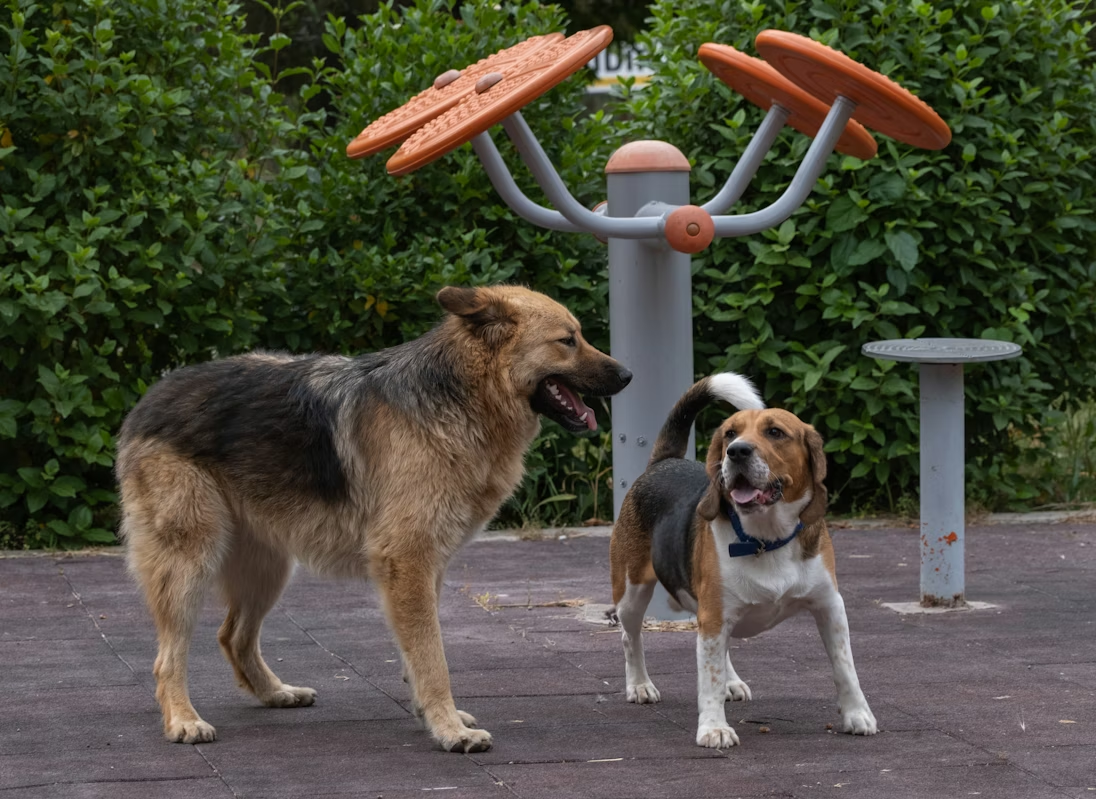
Dog leash training is essential for a safe, enjoyable, and stress-free walking experience with any canine companion. A well-trained dog on a leash is less likely to pull, lunge, or react unpredictably to distractions, which significantly reduces the risk of accidents, injuries, or confrontations with other animals and people. Beyond safety, training promotes mental and emotional well-being by providing structure, clear communication, and consistent boundaries, helping dogs feel secure and confident during walks. Implementing structured techniques early in a puppy’s or adult dog’s life ensures consistent results, fosters long-term obedience, and strengthens the bond between dog and owner. Positive reinforcement methods, including treats, praise, and gentle corrections, encourage cooperative behavior while preventing frustration for both parties.
Additionally, training teaches dogs self-control, patience, and attentiveness, which translates to improved behavior in other daily activities, such as mealtime, playtime, and social interactions. Over time, these practices contribute to a harmonious relationship built on trust, respect, and mutual understanding, making every walk a more enjoyable, engaging, and rewarding experience for both dog and owner.
Start Leash Training the Right Way
Begin in a low-distraction environment, such as a quiet backyard, hallway, or living room, to help your dog focus and build confidence. Choose a comfortable, properly fitted leash and collar or harness that suits your dog’s size and breed; a harness can be especially helpful for dogs prone to pulling or respiratory issues. Allowing your dog to explore the area freely while keeping the leash slack forcing tension too early can create anxiety or resistance.
Start with short, frequent sessions of 5–10 minutes, gradually increasing the duration as your dog becomes more comfortable. Use high-value treats, praise, or toys as positive reinforcement to reward calm walking, attention, and following cues. Consistently rewarding desirable behavior helps your dog associate leash walking with positive experiences, which is crucial for long-term development success.
Pay attention to your dog’s body language signs of stress such as tail tucking, yawning, or hesitation indicate that the pace may need to be slowed. Incorporating brief breaks for sniffing or exploring gives the dog a sense of autonomy, making the training process more enjoyable and less stressful. Over time, gradually introduce mild distractions, such as household noises or a passerby, to build focus and confidence. Remember, patience and consistency are key: rushing the process can create frustration for both you and your dog, whereas a steady, reward-based approach fosters trust, improves communication, and sets the foundation for a well-behaved, attentive companion.
Techniques That Improve Leash Behavior
Positive Reinforcement: Reward calm walking with treats, praise, or gentle petting. Positive reinforcement works by associating desirable behavior with a pleasant outcome, making your dog more likely to repeat it. Timing is crucial; rewards should be given immediately when the dog demonstrates the correct behavior, such as walking beside you without pulling. Over time, you can gradually reduce treats, relying more on verbal praise or affection to maintain good leash manners. Incorporating toys or brief play sessions as rewards can also add variety, keeping walks enjoyable and motivating for your dog.
Stop-and-Go Method: This technique is highly effective for dogs that pull on the leash. When the dog begins to pull, immediately stop walking and stand still. Resume walking only once the leash is slack and the dog has returned to a calm state. This teaches your dog that pulling delays progress, while calm walking results in continued movement. Consistency is key every walk should reinforce this rule. For added effectiveness, combine with a verbal cue like “easy” or “let’s go,” so the dog begins to associate the command with controlled walking behavior.
Directional Changes: Gently changing direction during walks is a subtle but powerful way to teach attention and responsiveness. When your dog pulls or becomes distracted, calmly pivot in a new direction, encouraging the dog to follow and pay attention to your movements. This method not only discourages pulling but also strengthens focus and engagement with the handler. Over time, the dog learns to anticipate your guidance, walking attentively rather than forging ahead. Directional changes are especially useful in busy or stimulating environments, reinforcing that attention to you is more important than distractions.
Consistency: Daily walks with structured guidance are essential for reinforcing learned behavior. Inconsistent training or occasional lapses in rules can confuse your dog and slow progress. Establish a routine, use the same cues, and maintain consistent expectations for leash manners. Practicing in various environments quiet streets, parks, and around other dogs ensures your dog can generalize the behavior to all settings. The combination of repetition, structure, and positive reinforcement creates a strong foundation for long-term leash obedience, ultimately making walks more enjoyable and safe for both you and your dog.
Address Common Leash Training Challenges
Pulling, lunging, and distraction are common issues. Address these by remaining patient, keeping sessions brief, and gradually increasing exposure to more stimulating environments. Professional guidance can accelerate results and prevent bad habits from forming.
Investing in dog training ensures safer, more enjoyable walks while strengthening the connection between dog and owner. Services at Rob’s Dog Training in Phoenix, AZ, provide expert techniques designed to create well-mannered, confident dogs ready for any environment. Starting training today lays the foundation for lifelong obedience and a harmonious daily routine.
Conclusion
Effective dog leash training transforms daily walks from stressful experiences into enjoyable bonding opportunities, creating a foundation for a well-behaved, confident, and happy dog. By applying consistent training techniques, using positive reinforcement, and gradually increasing the level of challenges, dogs not only learn self-control and focus but also develop better social skills, improved responsiveness, and an overall sense of security. Rewarding positive behavior encourages dogs to understand expectations clearly, reducing common issues such as pulling, lunging, or ignoring commands.
Investing time and effort in training from the beginning offers lifelong benefits, including smoother walks, a stronger human-animal bond, and a more harmonious home environment. Whether walking through busy city streets or exploring quiet neighborhood trails, proper training creates a sense of trust and mutual respect between owner and dog.
Take action today to Rob’s Dog Training implement structured training techniques and enjoy safer, calmer, and more rewarding walks with your canine companion, making each outing an opportunity for growth, connection, and shared joy.